

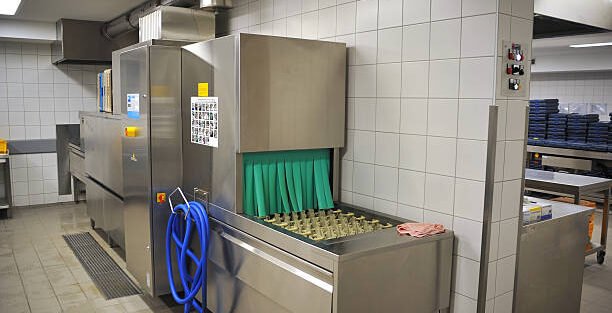
In restaurants, cafés, hotels, pubs and catering facilities, large volumes of dishes, utensils and cookware need to be cleaned throughout the day. Unlike domestic appliances, commercial machines often operate through repeated cycles during busy service periods. Consistent performance is therefore important for maintaining kitchen hygiene and keeping daily operations organised.
A Commercial Dishwasher plays an important role in meeting these demands, but regular use can contribute to blockages, component wear and changes in washing performance. Some problems result from incorrect loading or insufficient cleaning, while others may indicate a mechanical or electrical fault. Understanding how these issues develop can help kitchen staff identify warning signs, carry out appropriate routine checks and recognise when professional repairs are necessary.
1. Poor Cleaning Results
One of the most noticeable problems is dishes coming out with food residue, grease, watermarks or cloudy glassware. Poor cleaning does not always mean the dishwasher has developed a mechanical fault. Loading practices, detergent selection and routine cleaning can also affect the results.
When racks are overloaded, water may not reach every surface. Similarly, blocked spray arms can prevent water from circulating properly, leaving some items inadequately cleaned.
Common causes include:
- Food debris accumulating in filters.
- Blocked spray nozzles restricting water flow.
- Incorrect detergent or rinse aid settings.
- Items positioned too closely together.
- Water temperatures outside the manufacturer’s recommended range.
Start by checking the loading arrangement and cleaning accessible filters according to the manufacturer’s instructions. Ensure that spray arms can move freely and that the correct cleaning products are being used.
If the problem continues, the cause may involve water circulation, heating or detergent dosing. Persistent poor cleaning should be investigated because visibly clean dishes do not necessarily indicate that the required hygiene conditions have been achieved.
2. Commercial Dishwasher Not Draining
Standing water inside a dishwasher after a cycle may indicate a drainage problem. Apart from interrupting the next washing cycle, retained water can contribute to unpleasant odours and allow food debris to accumulate.
Possible causes include a blocked filter, an obstructed drain hose, a drainage restriction or a malfunctioning pump.
Before arranging a repair, check the manufacturer’s instructions for cleaning the accessible filter. Look for visible obstructions around accessible drainage areas and check whether the drain hose appears kinked or crushed, provided these checks can be completed safely.
Avoid dismantling internal components or reaching into machinery without following the correct isolation procedures.
If the machine continues to retain water, displays repeated drainage errors or produces unusual pump noises, further investigation may be required. A technician can assess the drainage system and determine whether a blockage, damaged component or pump fault is responsible.
3. Water Leaks and Damaged Seals
Water leaking from a commercial dishwasher can create slippery floors, damage nearby surfaces and potentially introduce electrical hazards. The source of the leak should be identified rather than assuming that it is caused by a loose connection.
Common causes include:
- Worn or damaged door seals.
- Deteriorated hoses or connections.
- Blocked drainage paths.
- Incorrect loading that interferes with the door seal.
- Internal component faults.
The location of the water can provide useful clues, although it does not always reveal the exact cause. Water around the door may suggest a sealing problem, while water underneath the machine may indicate an issue with a hose, connection or internal component.
If the leak is substantial or creates an electrical or slip hazard, stop using the machine and isolate it if this can be done safely. Do not continue operating equipment with exposed electrical components.
Damaged seals and internal leaks may require professional attention to prevent further deterioration.
4. Water Is Not Heating Correctly
Water temperature is an important factor in commercial dishwashing. Machines must operate within the temperature and sanitising requirements specified for the equipment and the applicable food safety procedures.
If the water is not reaching the required temperature, dishes may not be cleaned effectively and the machine may fail to complete its intended sanitising process.
Potential causes include a faulty heating element, a temperature sensor problem, a thermostat fault or an issue with the water supply.
Warning signs may include repeated temperature error codes, unusually long cycles or inconsistent washing results. Some machines also stop a cycle when operating conditions cannot be achieved.
Check the display and consult the operating manual for any warning messages. Avoid assuming that a completed cycle has achieved the required hygiene outcome if the machine has a known heating fault.
If temperatures remain outside the manufacturer’s specified range, follow the site’s food safety procedures and arrange professional assessment before relying on the machine for normal operations.
5. Unusual Noises and Excessive Vibration
Commercial dishwashers produce normal operating sounds as water enters, circulates and drains. However, a sudden change in noise or vibration may indicate an obstruction or developing mechanical fault.
The following table outlines some possible causes and appropriate responses.
Warning sign | Possible cause | Recommended action |
Grinding noise | Possible pump obstruction or worn component | Stop operation if the noise persists and arrange an inspection |
Rattling during a cycle | Loose items or incorrectly positioned racks | Check the loading arrangement |
Loud humming | Possible pump or motor problem | Consult the manual and seek assessment if unresolved |
Excessive vibration | Equipment instability or mechanical fault | Check stability where safe and arrange an inspection if necessary |
These symptoms are not definitive diagnoses. For example, a rattling sound may come from incorrectly positioned cookware rather than a damaged component.
If unusual noises continue after simple loading checks, or occur alongside leaks, error messages or interrupted cycles, discontinue use until the issue has been assessed.
6. The Dishwasher Will Not Start
A dishwasher that fails to start may have a simple operating issue or a fault affecting its electrical supply or control system.
Before arranging repairs, check the following where safe:
- Confirm that the machine is switched on.
- Ensure the door is fully closed.
- Check the display for warning messages.
- Confirm that the water supply is available.
- Consult the manual for the correct starting or reset procedure.
A door interlock may prevent the machine from starting if the door is not secured correctly. Other possible causes include a power supply issue, a faulty control board or a component failure.
Repeatedly resetting the machine without understanding the cause may not resolve the problem. If basic checks do not help, an appropriately qualified technician should investigate the fault. Internal wiring and electrical components should not be repaired by unqualified staff.
7. How to Maintain a Commercial Dishwasher
Routine maintenance helps keep equipment clean, supports consistent washing performance and makes it easier to identify developing problems.
The frequency of maintenance depends on the manufacturer’s instructions, machine design and daily workload. A dishwasher operating continuously in a busy restaurant may require more frequent attention than a machine used less intensively.
Useful maintenance practices include:
- Cleaning accessible filters and removing food debris.
- Checking spray arms for visible blockages.
- Inspecting door seals for wear or damage.
- Using suitable detergent and rinse aid products.
- Keeping the machine and surrounding area clean.
- Monitoring washing results and operating temperatures.
- Recording recurring error messages and performance changes.
Staff should be trained to distinguish routine cleaning from tasks that require a technician. Maintenance records can help identify repeated faults and provide useful information when repairs are needed.
Professional servicing may also identify component wear, circulation problems and other issues that are not obvious during everyday cleaning.
8. When Should You Call for Professional Repair?
Some problems can be addressed through routine cleaning or basic operating checks. Others require technical assessment, particularly when they involve electrical systems, heating components, pumps or internal mechanical parts.
Professional assistance is appropriate when:
- Drainage problems continue after accessible filters have been cleaned.
- Water leaks persist or create safety hazards.
- The machine repeatedly fails to reach the required temperature.
- Error codes continue to appear.
- Unusual noises or vibration do not stop.
- The dishwasher repeatedly interrupts or fails to complete cycles.
- Burning smells, damaged wiring or electrical faults are suspected.
When reporting a problem, provide the machine’s make and model, any displayed error code, a description of the symptoms and details of when the fault occurs. This information can help the technician narrow down possible causes.
For persistent equipment faults, professional servicing can help identify the underlying cause and determine the appropriate repair. Commercial Electrix provides commercial equipment servicing and repair support for businesses experiencing equipment issues. Sharing details about the symptoms, error codes and previous troubleshooting can help technicians assess the problem more efficiently.
Where equipment cannot operate safely or meet the required hygiene conditions, follow workplace procedures and avoid using it until the issue has been resolved.
Conclusion
Commercial dishwasher problems can arise from everyday operating practices, insufficient maintenance or faults affecting internal components. Understanding the warning signs helps kitchen staff distinguish between routine issues and problems that require technical attention.
Regular filter cleaning, correct loading, appropriate detergent use and monitoring of washing temperatures all contribute to consistent performance. Leaks, persistent drainage problems, heating faults and unusual mechanical noises should be investigated promptly, particularly when they affect safety or hygiene.
A structured maintenance routine, supported by clear operating procedures and appropriate professional servicing, helps businesses manage equipment condition and reduce avoidable disruption. For further information about commercial kitchen equipment servicing and maintenance, Contact us at Commercial Electrix.
Frequently Asked Questions
Common issues include poor cleaning results, drainage failures, water leaks, heating faults, unusual noises and machines that will not start. Causes may involve routine maintenance, operating conditions or component failures.
Blocked spray arms, dirty filters, incorrect loading, unsuitable detergent and inadequate water temperature can all affect cleaning performance. If routine checks do not resolve the problem, further assessment may be necessary.
Possible causes include a faulty heating element, thermostat or temperature sensor. Incorrect temperatures can affect cleaning and hygiene, so persistent heating faults require professional assessment.
Maintenance frequency depends on the equipment, workload and manufacturer recommendations. Accessible filters and other user-maintainable components should be cleaned as instructed, with professional servicing scheduled according to the machine’s requirements.
Regular cleaning, correct loading, suitable detergent use, monitoring operating performance and following manufacturer maintenance recommendations can help reduce avoidable problems. Professional servicing can also help identify developing faults.